Design That Sells: Crafting Addictive Shopping Journeys

Optimizes website performance and user experience for consumer-facing sites by improving speed, mobile usability, UI design, content, and e-commerce search—driving conversions and business growth

CLIENT

TrendCommerce

CLIENT

TrendCommerce

Role

UX Designer

Role

UX Designer

Service

UX Design

Service

UX Design

Responsibilities

Collaborated with cross-functional teams including marketing, product management, and engineering to ensure design changes aligned with user needs and brand strategy. Defined problems, designed features and workflows, and delivered wireframes to UI designers for implementation

Responsibilities

Collaborated with cross-functional teams including marketing, product management, and engineering to ensure design changes aligned with user needs and brand strategy. Defined problems, designed features and workflows, and delivered wireframes to UI designers for implementation

Responsibilities

Collaborated with cross-functional teams including marketing, product management, and engineering to ensure design changes aligned with user needs and brand strategy. Defined problems, designed features and workflows, and delivered wireframes to UI designers for implementation

Approach

Conducted comprehensive research to localize the design across cultural contexts, using methods such as competitive analysis, country-specific requirement gathering, GA insights, heatmap analysis, and user interviews

Approach

Conducted comprehensive research to localize the design across cultural contexts, using methods such as competitive analysis, country-specific requirement gathering, GA insights, heatmap analysis, and user interviews

Approach

Conducted comprehensive research to localize the design across cultural contexts, using methods such as competitive analysis, country-specific requirement gathering, GA insights, heatmap analysis, and user interviews

Target

Redesigned the official website’s shopping experience for worldwide users by optimizing key touchpoints to improve user journeys and brand interaction. Leveraged data-driven insights to identify high-impact factors while ensuring scalability and responsive engagement across platforms

Target

Design a premium wellness service inside a gym tailored for affluent individuals aged 40-60 who are busy with successful careers, seeking to maintain a wellness lifestyle, and wish to share it with their families.

Target

Redesigned the official website’s shopping experience for worldwide users by optimizing key touchpoints to improve user journeys and brand interaction. Leveraged data-driven insights to identify high-impact factors while ensuring scalability and responsive engagement across platforms

Design target

Design target

Design target

Design target

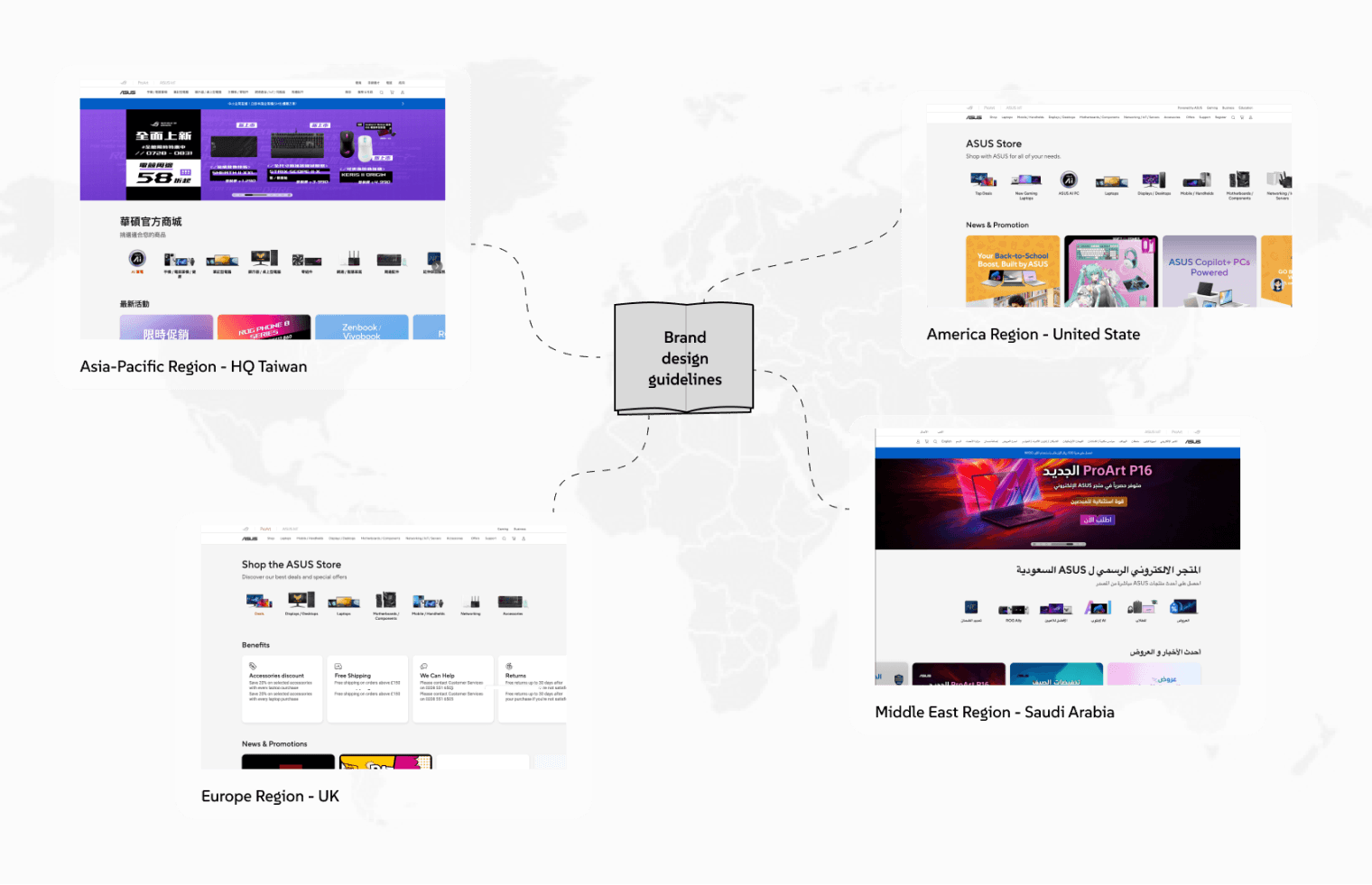
Global Website Design: HQ's Unified Guidelines

For consistent brand experience across all global websites, yet with flexibility for distinct regional needs and user habits, headquarters (HQ) develops a complete and adaptable set of website design guidelines. These guidelines function beyond technical instructions, serving as a vital framework for cross-cultural communication and localized implementation
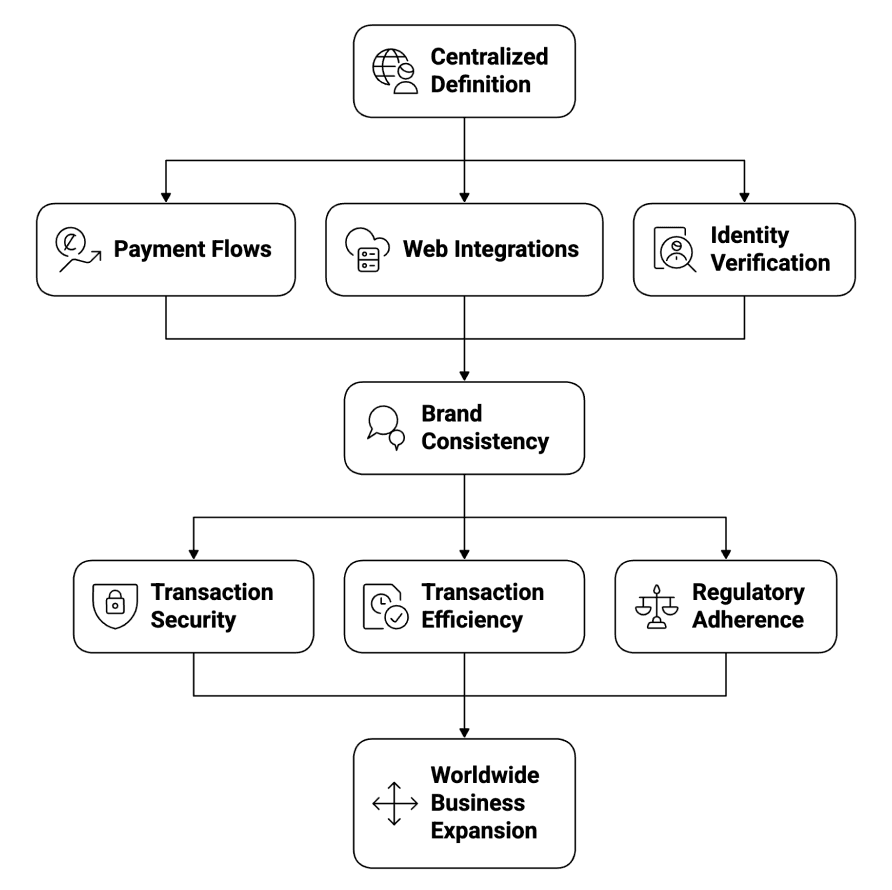
Standardizing the Global Shopping Experience : Centralized Payment and ID Verification

For a seamless and consistent shopping journey for users everywhere, headquarters (HQ) is centralizing the definition of payment flows, web integrations, and special identity verification processes. This approach ensures high brand consistency globally, enhances transaction security and efficiency, and guarantees adherence to local regulatory requirements. Ultimately, it supports worldwide business expansion

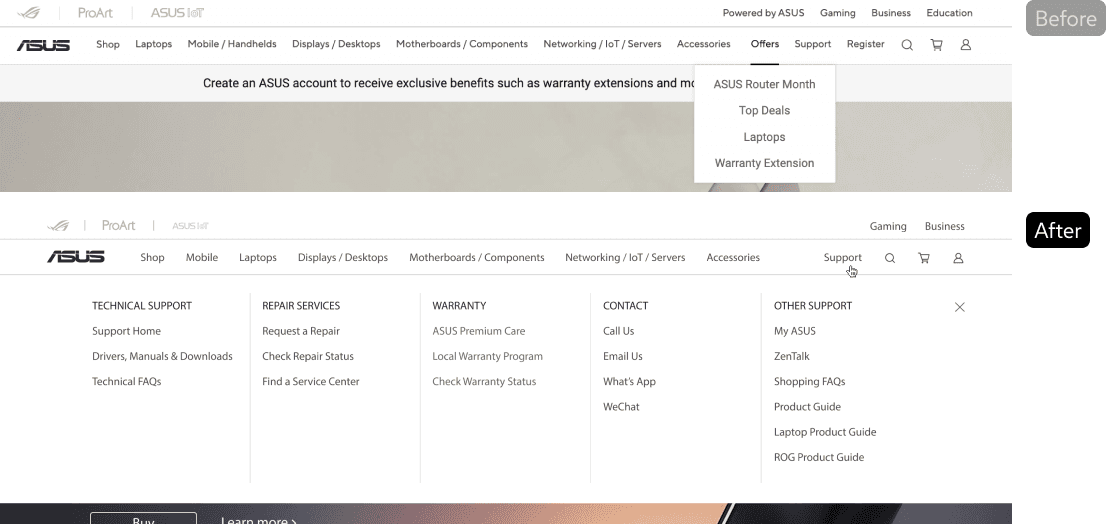
Strategic Navigation Redesign: Empowering Users, Driving Growth

By transforming the previously confusing "Support" dropdown into a clear, information-rich mega menu, it significantly boosted user efficiency and satisfaction in finding support information. This optimization not only helps users browse more smoothly, quickly find needed services, and assist with product selection, but also ultimately enhances customer loyalty, effectively driving brand revenue growth and market expansion
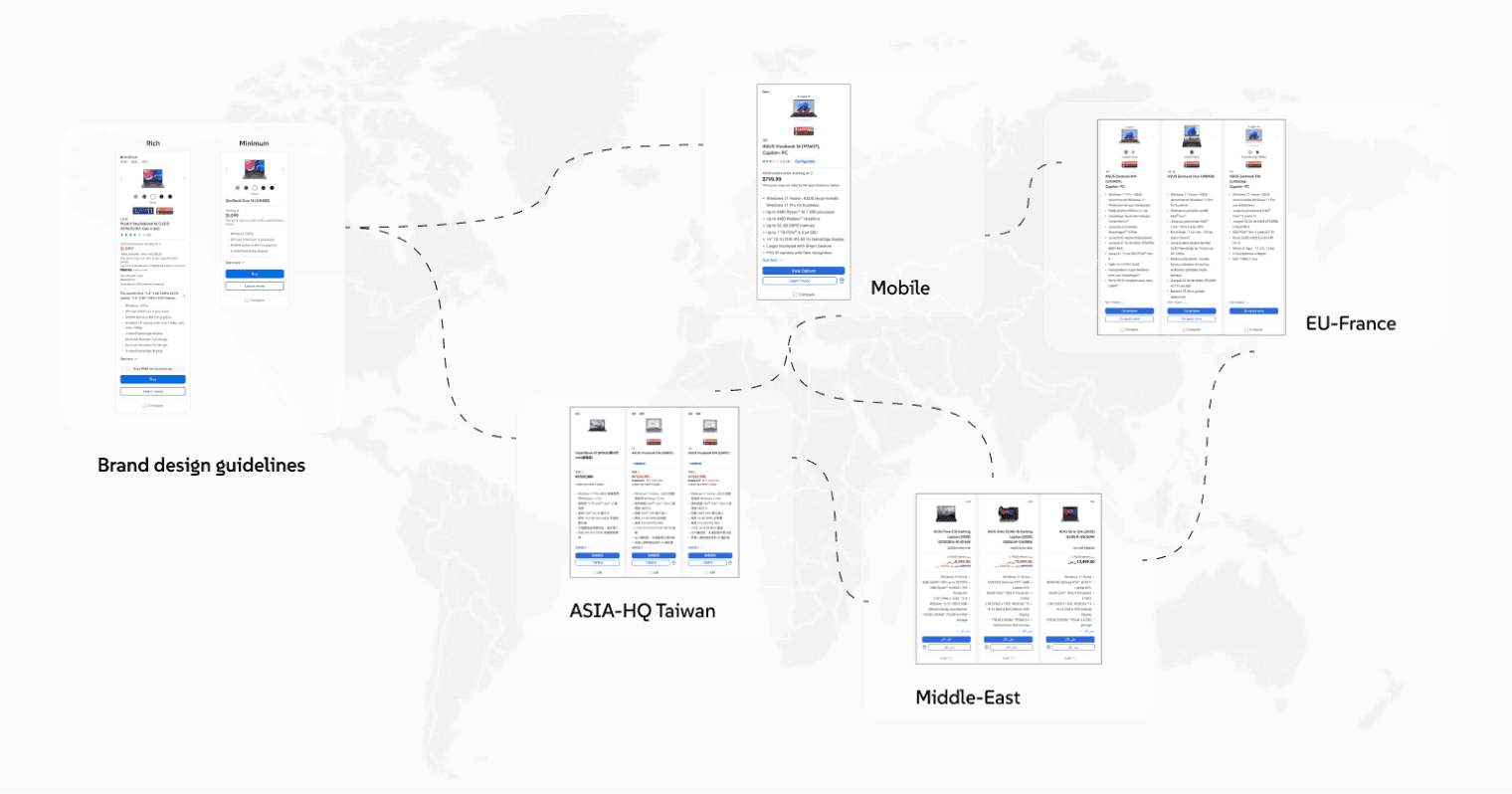
Flexible Product Information Cards: Adapting for Global Localization

The ability to flexibly switch between "complete" and "concise" modes allows for adaptation to varying cultural preferences, legal regulations, user behaviors, and a wide range of device usage situations across the globe. This approach doesn't just maximize product information delivery and offer a more fluid user experience; it also leads to higher conversion rates and supports the brand's revenue growth and market expansion

Data-Driven Continuous Optimization

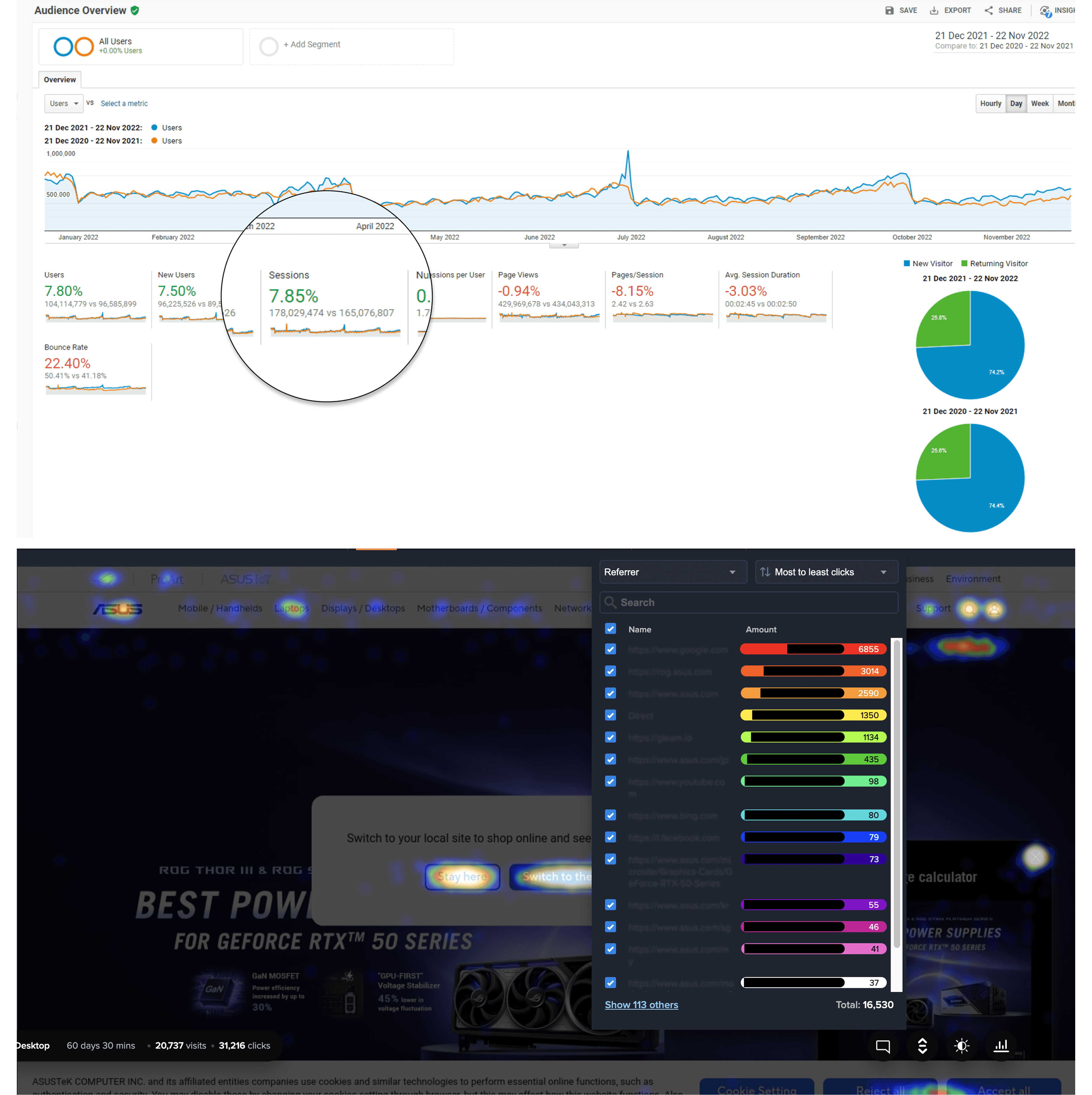
Through an iterative, experimental approach, it continuously monitors user behavior using quantitative data from Google Analytics (GA) and qualitative insights from heatmaps. Based on this data analysis, it rapidly adjusts website content priority, layout, and design. This ensures the website is constantly optimized, enhancing the user experience
Feedback definition

  1. Enhanced User-Centric Insight: By simulating and analyzing user behavior through tools like heatmap analysis, Google Analytics data, and cross-cultural requirement research, I gained a deep understanding of diverse user habits and pain points. This enabled me to think from the users perspective and streamline the shopping journey, improving usability and satisfaction.

  2. Bridge between Design and Cross-Functional Teams: I served as a central liaison between design and departments like marketing, product, and engineeringensuring that design modifications aligned with brand strategy and user psychology while facilitating seamless implementation by development teams.

  3. Data-Driven Continuous Optimization: Leveraging both quantitative data (e.g., GA metrics) and qualitative insights (e.g., heatmaps, user interviews), the project implemented rapid iterations on content priority, layout, and navigation structures. This iterative approach boosted conversion rates and supported business growth.

Feedback definition

  1. Enhanced User-Centric Insight: By simulating and analyzing user behavior through tools like heatmap analysis, Google Analytics data, and cross-cultural requirement research, I gained a deep understanding of diverse user habits and pain points. This enabled me to think from the users perspective and streamline the shopping journey, improving usability and satisfaction.

  2. Bridge between Design and Cross-Functional Teams: I served as a central liaison between design and departments like marketing, product, and engineeringensuring that design modifications aligned with brand strategy and user psychology while facilitating seamless implementation by development teams.

  3. Data-Driven Continuous Optimization: Leveraging both quantitative data (e.g., GA metrics) and qualitative insights (e.g., heatmaps, user interviews), the project implemented rapid iterations on content priority, layout, and navigation structures. This iterative approach boosted conversion rates and supported business growth.

Feedback definition

  1. Enhanced User-Centric Insight: By simulating and analyzing user behavior through tools like heatmap analysis, Google Analytics data, and cross-cultural requirement research, I gained a deep understanding of diverse user habits and pain points. This enabled me to think from the users perspective and streamline the shopping journey, improving usability and satisfaction.

  2. Bridge between Design and Cross-Functional Teams: I served as a central liaison between design and departments like marketing, product, and engineeringensuring that design modifications aligned with brand strategy and user psychology while facilitating seamless implementation by development teams.

  3. Data-Driven Continuous Optimization: Leveraging both quantitative data (e.g., GA metrics) and qualitative insights (e.g., heatmaps, user interviews), the project implemented rapid iterations on content priority, layout, and navigation structures. This iterative approach boosted conversion rates and supported business growth.

Feedback definition

  1. Enhanced User-Centric Insight: By simulating and analyzing user behavior through tools like heatmap analysis, Google Analytics data, and cross-cultural requirement research, I gained a deep understanding of diverse user habits and pain points. This enabled me to think from the users perspective and streamline the shopping journey, improving usability and satisfaction.

  2. Bridge between Design and Cross-Functional Teams: I served as a central liaison between design and departments like marketing, product, and engineeringensuring that design modifications aligned with brand strategy and user psychology while facilitating seamless implementation by development teams.

  3. Data-Driven Continuous Optimization: Leveraging both quantitative data (e.g., GA metrics) and qualitative insights (e.g., heatmaps, user interviews), the project implemented rapid iterations on content priority, layout, and navigation structures. This iterative approach boosted conversion rates and supported business growth.